
Cincinnati Keratin Treatments: What to Know
By Salon Bastille Team
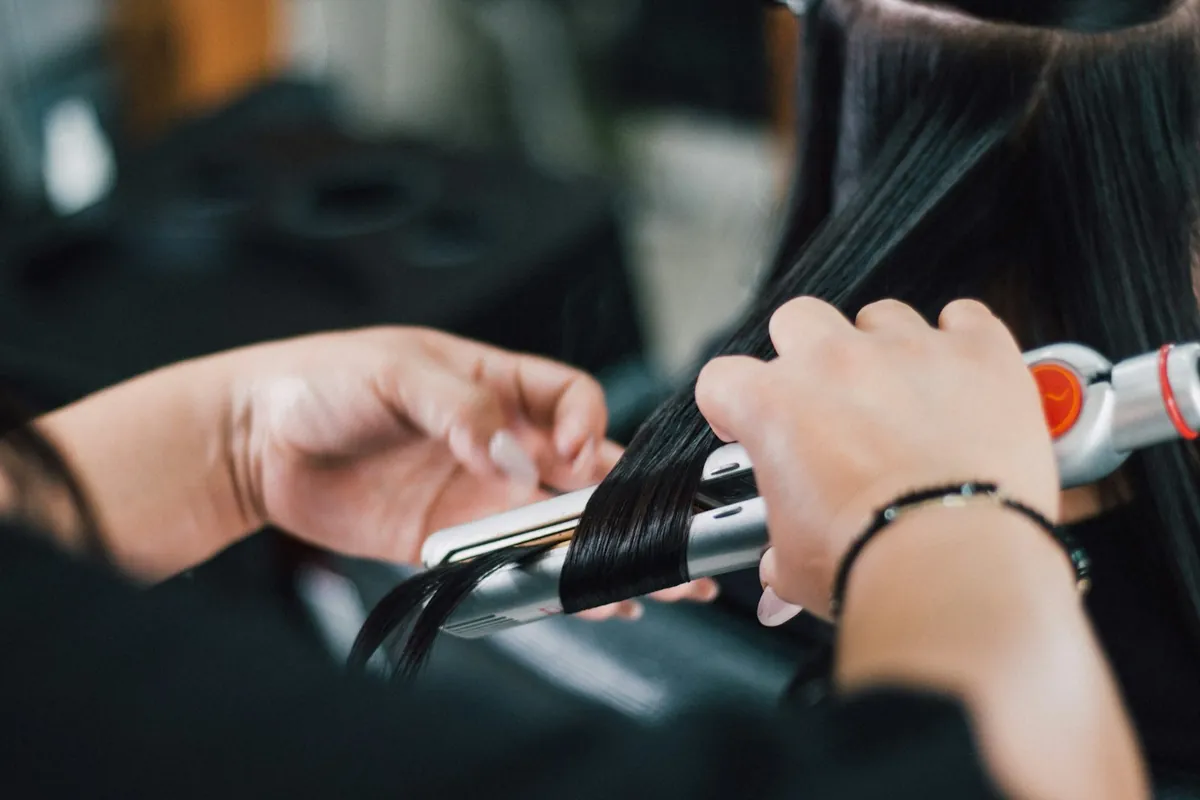
Every July, the same conversation happens at our front desk. A guest walks in from the Montgomery Road humidity, gestures at the halo of frizz that formed between her car and our door, and asks if there is anything that can be done about Cincinnati summers. There is. It is called a keratin treatment, and it is one of the most misunderstood services on our menu.
Misunderstood because the internet has muddled it together with relaxers, straightening systems, and a dozen drugstore products that borrow the word keratin. So here is the honest, behind-the-chair version: what these treatments actually do, who they work for, and what your first appointment at our salon really looks like.
What does a keratin treatment actually do?
Your hair is already made of keratin. When the cuticle, the shingle-like outer layer of each strand, gets roughed up by heat styling, color, and humidity, those shingles lift. Lifted cuticles are what you see and feel as frizz, dullness, and hair that drinks up moisture from the air and swells.
A professional smoothing treatment floods that outer layer with keratin and conditioning agents, then seals everything flat with a hot iron. Sealed cuticles reflect light, resist humidity, and let a brush glide through. The change guests notice first is not actually straightness. It is time. Hair that took forty minutes to blow out takes fifteen, and it stays smooth until the next wash instead of the next rain shower.
Is a keratin treatment the same as a relaxer?
This is the most important distinction we explain at consultations, because the two get confused constantly. A relaxer is a structural change. It is the right choice for some guests, but there is no undo button.
Keratin is a coating, not a conversion. As it gradually washes out, your natural texture returns exactly as it was. That makes it the lower-commitment option for anyone who is curious about smoother hair but not ready to give up their curls for good. If you love your wave on cool dry days and curse it in August, keratin lets you keep both truths.
How long does a keratin treatment last?
The treatment does not stop working on a fixed date. It fades gradually, wash by wash, which is why aftercare habits decide whether you get twelve weeks or twenty.
Sulfates are the enemy. They are excellent detergents, which is exactly the problem, because they scrub away the smoothing layer along with the dirt. Every guest who leaves our chair after a keratin service leaves with the same instruction: check your shampoo label before you use it. Chlorine and salt water speed up the fade too, so if your summer includes a lot of pool time, plan for the shorter end of the range or rinse and condition right after swimming.
Will a keratin treatment work on my hair type?
Color-treated hair deserves a special mention, because so many of our guests have balayage or highlights and worry the two services will fight each other. They will not. Done in the right order, they help each other: the smoothing treatment seals the cuticle over fresh color, which locks in tone and adds serious shine. We simply plan the sequence, color first, keratin after.
Fine hair does well too, and often benefits most in day-to-day life because the blow-dry savings are so noticeable. Very resistant, very coarse textures may need a stronger system or a follow-up visit, and truly damaged hair sometimes needs a round of conditioning treatments first so the smoothing result has something healthy to hold onto. That is a judgment call we make with your hair in our hands, not from a menu.
What should you do before your first appointment?
The consultation matters more for smoothing services than almost anything else we do, because the product choice is everything. Showing up with your hair air-dried, or at least not flat-ironed into hiding, lets your stylist see what your texture actually does. You are not being judged. We need to meet the frizz to fix the frizz.
Expect the appointment itself to run two to three hours: a clarifying wash to open the cuticle, careful application section by section, a blow-dry, and then the flat-iron pass that seals the treatment in. It is a genuinely relaxing service. You sit, you sip something, and you watch your hair transform in the mirror.
As for cost, it varies with hair length, density, and the system your stylist recommends, so we would rather quote you accurately than guess here. Our pricing page shows where services start, and your consultation confirms the number before anything touches your hair.
How do you make the results last longer?
None of this is complicated, and most of it is good for your hair whether it is treated or not. Washing two or three times a week instead of daily preserves the smoothing layer and your natural oils at the same time. When you do heat style, you will find you need far less of it, and lower temperatures, to get a polished result.
We have written the long version of all of this, including the first 72 hours and the shampoo ingredient most people miss, in our guide to keratin treatment aftercare.
One local note from our chairs: guests who get their treatment in late spring consistently tell us it changed their whole summer. Ohio humidity does not take August off, and walking out of a downpour with hair that still looks styled is the moment most first-timers become regulars.
Where can you get a keratin treatment in Cincinnati?
The three are not interchangeable, and picking between them is most of what the consultation is for. Keratin Express is the lighter, faster option for guests who want frizz control without committing to the longest results. Natural Keratin is the full treatment, the one that carries a humid Ohio summer. The Brazilian Blowout sits in between and suits guests who want smoothness with more of their natural movement left in. You can see every smoothing and texture service on our services page, and the current starting prices on our pricing page.
Guests come to us for smoothing from Montgomery, Kenwood, Blue Ash, Madeira and Loveland, and free parking is right outside. Because a keratin appointment needs a long block of chair time, call ahead rather than hoping for a same-day opening, and tell us which service you are curious about so we hold the right amount of time.
Ready for smoother mornings?
If you have been fighting your hair every humid morning, a smoothing consultation is the honest first step. We will look at your texture, your color history, and your routine, and tell you plainly whether keratin is the right tool or whether a different service would serve you better. That conversation is free of pressure and full of specifics.
Stop by the salon at 10794 Montgomery Rd, call us at (513) 791-0600, or book online and mention you are curious about smoothing. Your future self, the one leaving the house fifteen minutes earlier with better hair, says thank you.
Photo by Giselle Lazcano on Unsplash.
Frequently asked questions
How much does a keratin treatment cost in Cincinnati? +
At Salon Bastille, Keratin Express starts at $175, the Brazilian Blowout at $300 and our Natural Keratin at $325. Those are starting prices from our published menu. Very long or very dense hair takes more product and more time, so your stylist confirms the exact number at your consultation, before anything is applied.
How soon can I wash my hair after a keratin treatment? +
It depends on the system we use. Some formulas want 48 to 72 hours before the first wash, while newer express systems can be rinsed the same day. Your stylist will tell you exactly what your treatment needs before you leave the chair, so there is no guesswork at home.
Can I color my hair after a keratin treatment? +
Yes, with timing. We usually recommend coloring first and smoothing after, in the same visit or within a couple of weeks, because the treatment seals the color in beautifully. Coloring immediately after keratin can lift some of the smoothing result, so we plan the order at your consultation.
Does a keratin treatment make hair completely straight? +
No, and that is a feature, not a flaw. Keratin relaxes frizz and loosens texture while keeping your natural movement. If you have waves, you keep softer, smoother waves. Guests who want pin-straight hair can still get there with a quick pass of a flat iron in a fraction of the usual time.
Is keratin safe for fine or thinning hair? +
Generally yes, because keratin smooths the cuticle rather than adding weight the way some deep masks can. Fine-haired guests often love the reduced blow-dry time. That said, product choice matters, which is why we look at your hair in person before recommending a system.
Ready for your next look?
Book with the Salon Bastille team in Cincinnati.