
Keratin Treatment Aftercare: Make It Last
By Salon Bastille Team
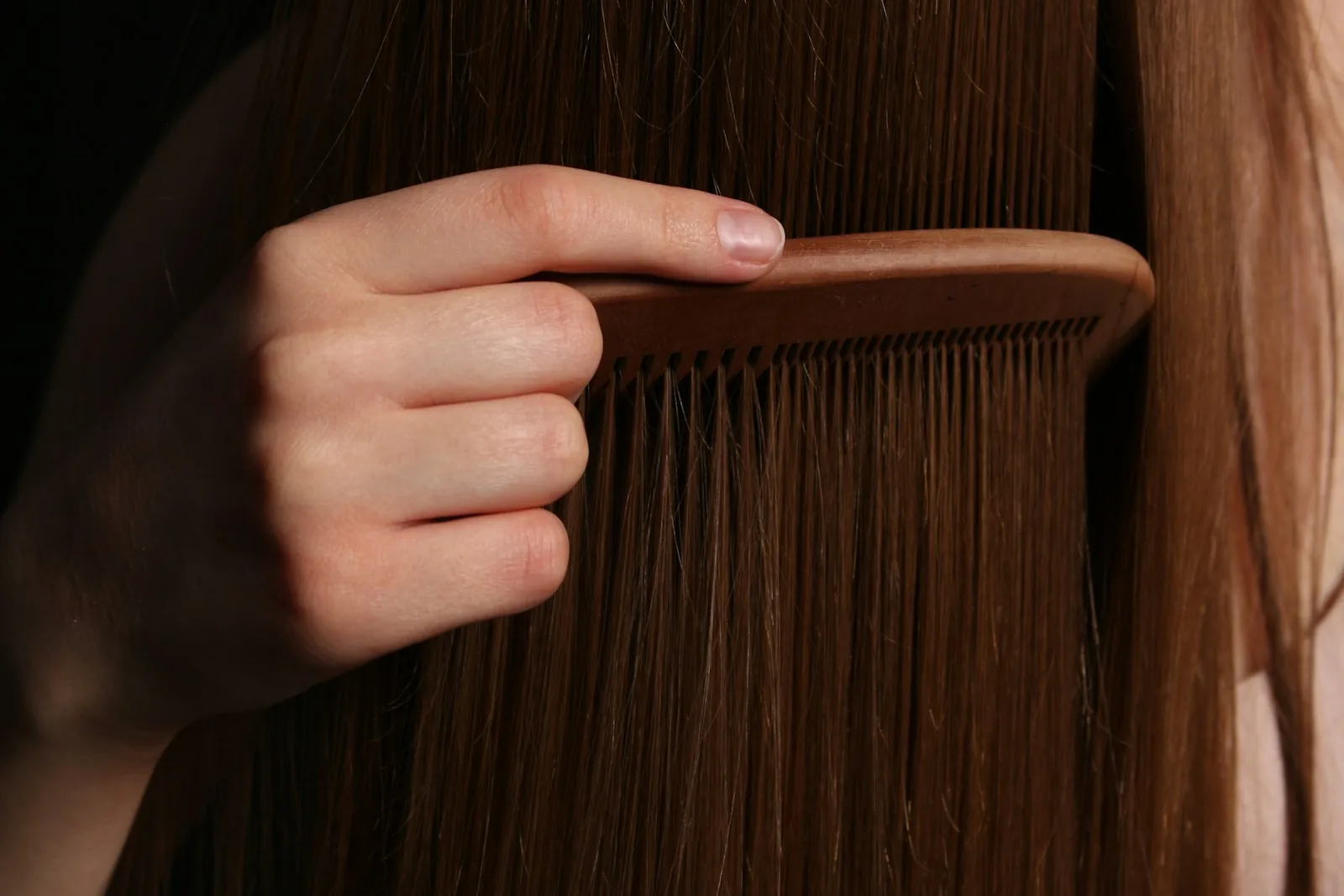
A keratin treatment is one of the few services where what you do at home matters nearly as much as what we do in the chair. We can give two guests the exact same treatment on the same afternoon, and three months later one of them still has glass-smooth hair while the other is back to fighting frizz. The difference is almost never the product. It is the week that followed.
Here is what actually protects a smoothing treatment, what quietly kills one, and the handful of habits that reliably add a month or more. If you are still deciding whether to book in the first place, start with our guide to keratin and smoothing treatments instead, then come back to this one.
What should you do in the first 72 hours after a keratin treatment?
This is the part that gets skipped, and it is the part that costs people the most. When you walk out of the salon, the keratin has been sealed into the outer layer of each strand with heat, but it has not fully settled. Hair in that state takes an impression the way a hot iron takes a crease.
The guests who lose a treatment early are almost never the ones who washed it too often. They are the ones who put it up on day two because they were going to the gym, or clipped it back while cooking dinner, and ended up with a permanent looking bend an inch from the root. It brushes out eventually. It should not have to.
Practically, that means planning the 72 hours before you book, not after. If you have a workout schedule that will have you sweating heavily, a long drive with a ponytail, or a hat you cannot skip, book the treatment for a day that gives you a clear run. October is actually a good month for this in Cincinnati. Hat season has not fully started, and the humidity that makes a treatment feel miraculous in July is replaced by dry furnace air that a smoothing treatment handles just as well.
Which shampoo actually protects a keratin treatment?
Everyone knows to go sulfate-free. Fewer people know that is only half the label.
Sulfates are the detergents that make shampoo foam, and they are very good at their job, which is the problem. They scrub the keratin layer off along with the dirt. On a label they show up as sodium lauryl sulfate, sodium laureth sulfate, or ammonium lauryl sulfate. If any of those appear in the first several ingredients, put the bottle back.
Then look for sodium chloride. That is table salt, used as a cheap thickener to give shampoo and conditioner a rich texture, and it is the ingredient that catches people out. A bottle can be proudly sulfate-free on the front and still be loaded with salt, which draws moisture and treatment out of the strand every single wash. We have had guests swear they were doing everything right, bring in their bottle, and find sodium chloride third on the list.
Price tells you nothing here. There are ten dollar shampoos that are perfect for this and forty dollar ones that are not. Turn the bottle over.
How often should you wash keratin-treated hair?
If you take one habit from this entire page, take this one. Washing frequency does more for the lifespan of a smoothing treatment than any product you can buy.
The good news is that keratin-treated hair makes the switch easy. Smooth, sealed hair simply does not look dirty as quickly, and because you need far less heat styling, you are not creating the sweaty, product-heavy mess that drives daily washing in the first place. Most guests who come in washing every morning land naturally at three times a week within a month, without really trying.
Rinse temperature helps too. Hot water lifts the cuticle, which is exactly what you spent the appointment closing. Warm to wash, cool to rinse.
Does chlorine really ruin a keratin treatment?
The pre-soak is the trick nobody is told, and it is the difference between a treatment that survives a swimming summer and one that does not. Hair behaves like a sponge. A dry sponge dropped in a bucket takes on everything in that bucket. A sponge that is already full of clean water takes on very little. Thirty seconds under a poolside shower, or a bottle of water over your head in the parking lot, genuinely works.
The same logic covers sweat, which is salty and does the same slow damage as a pool. After a hard workout, rinse, even if it is not a wash day. Water alone is fine.
If your calendar has a beach week or a daily swimming routine coming up, the honest advice is to book the treatment for after it, not before. We would rather you get five months out of a service than three.
How should you sleep and style to protect the smoothing?
Cotton pillowcases grip hair and create friction all night. Silk or satin lets it slide, which keeps the cuticle flat and takes a surprising amount of frizz out of your mornings.
Going to bed with wet hair is the sleeping equivalent of the day-two ponytail. Wet hair takes the shape it is pressed into for seven hours.
On heat, most guests overdo it out of habit. After a smoothing treatment, hair that needed four hundred degrees and three passes often looks better with less of both. You are not trying to force it straight anymore, you are just polishing something that is already smooth. Less heat means the treatment itself lasts longer, which is a pleasant loop.
Can you color your hair while a keratin treatment is still in?
This comes up constantly, because so many of our guests are keeping up color and balayage at the same time as their smoothing. The two services are not enemies. Sequenced properly they flatter each other, because the keratin seals the cuticle down over freshly deposited color and holds the tone in.
Sequenced backwards, you are asking color to penetrate a cuticle you just paid to close. It can be done, and sometimes life means it has to be, but expect the treatment to give you less time.
The fix is simply telling us. When you book, say that you color as well, and we will plan the calendar so the two line up instead of fighting. If your color also tends to fade quickly, the habits on this page help that too, for exactly the same reasons.
How do you know your treatment is wearing off?
A keratin treatment does not expire on a date. It fades gradually, which means the first signal is usually a feeling rather than a look. Your blow dry takes twenty five minutes again instead of fifteen. Your hair reacts to a rainy morning the way it used to.
Look at the root area in good light. New growth that came in after the appointment has none of the treatment on it, so the line between treated and untreated hair becomes visible around the three month mark on most heads. That is normal and it is not damage.
If your lengths feel dry or rough rather than simply less smooth, that is a different problem and a different fix. A deep conditioning treatment addresses dryness, and it is worth doing before you commit to another smoothing service so the next treatment has healthy hair to hold onto.
Keep your smoothing going
Good aftercare is not complicated. Protect the first three days, read the back of the bottle, wash less than you think you should, and tell us when something changes. Those four habits are the whole difference between a treatment you are happy with and one you are disappointed by, and none of them cost anything.
If you are coming up on your rebook, or you are not sure whether what you are seeing is normal fade or something else, bring it to us and we will look at it honestly. Every smoothing and texture service is on our services page, starting prices are on our pricing page, and you can book an appointment or call (513) 791-0600. Mention it is a keratin follow up so we hold the right amount of time.
Photo by Mariia Horobets on Unsplash.
Frequently asked questions
How long do I really have to wait before the first wash? +
It depends on the system, and this is the one instruction you should not guess at. Some traditional formulas want 48 to 72 hours before water touches your hair. Newer express systems can be rinsed the same day in the salon. Your stylist tells you which one you had before you leave the chair, so write it down or put it in your phone. Washing early on a system that needed three days is the fastest way to lose a treatment you just paid for.
Can I use dry shampoo on keratin-treated hair? +
Yes, and it is genuinely useful here. Stretching your washes is the whole game, and dry shampoo is how most guests get from two washes a week to one and a half. Spray it at the roots, give it a minute, then brush it through properly rather than leaving it sitting as powder. The only thing to watch is buildup, so on the days you do wash, make sure you are rinsing thoroughly rather than adding another layer on top.
My hair feels greasy at the roots faster than it used to. Is that normal? +
It is common in the first few weeks and it usually sorts itself out. Two things are happening. You are washing less often than your scalp is used to, and your hair is lying flatter and smoother against your head, so oil travels down the strand more easily instead of getting caught in texture. Give it three or four weeks. If it is still bothering you, a different shampoo or a slightly different wash rhythm usually fixes it, and that is a quick conversation at your next visit.
Will a keratin treatment stop my hair falling out, or cause it to? +
Neither. A smoothing treatment coats the outside of the strand, it does not reach the follicle, so it does not change how much hair you shed. What people sometimes notice is that because they are brushing less and the hair is not tangling, a few days of normal shedding comes out all at once in the shower and looks alarming. That is the same hair you were losing anyway, arriving in one go. If you are genuinely worried about shedding, that is a conversation for your doctor, not your stylist.
Do I need to buy expensive salon shampoo for this to work? +
No. You need the right ingredients, and price is not a reliable guide to those. Plenty of drugstore shampoos are sulfate-free and salt-free, and plenty of expensive ones are not. Turn the bottle over and read the list. We would rather you spend ten dollars on something that genuinely protects the treatment than thirty on a bottle that undoes it. Bring a photo of the label to your next appointment if you want a second opinion.
Ready for your next look?
Book with the Salon Bastille team in Cincinnati.