
Why Is My Hair Color Fading So Fast?
By Salon Bastille Team
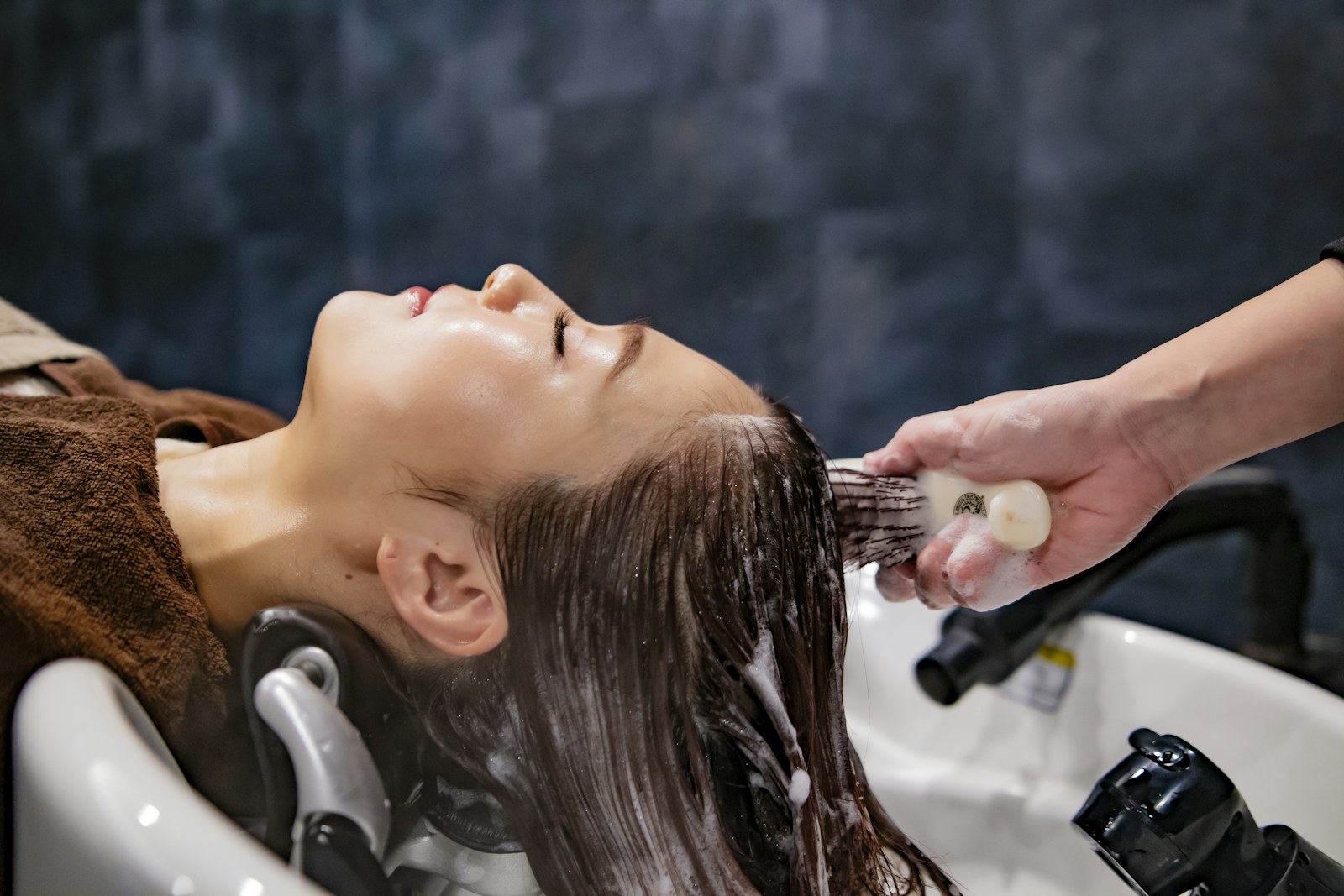
You left the salon in love with your color. Three weeks later you are standing in your bathroom in the morning light wondering where it went. The rich brunette looks flat, the blonde has gone warm, and the copper you picked out from a photo has faded to something closer to rusty beige.
It is one of the most common frustrations we hear behind the chair at our Montgomery salon, and it is almost never a single culprit. Color fading is cumulative. Your water, your shower temperature, your shampoo, your flat iron, and the hours you spent outside in August each take a small bite out of the same appointment. Most of those bites are within your control, once you know which one is doing the real damage to your particular color.
Why does hair color fade faster for some people than others?
Two guests can sit in neighboring chairs, get the same shade from the same colorist, follow the same aftercare, and be in completely different places a month later. That is not bad luck and it is not a bad formula. It is the condition of the hair itself.
Think of the cuticle as roof shingles. On healthy hair they lie flat and overlapping, and the pigment sits underneath, protected. On hair that has been bleached, permed, or ironed at high heat for years, those shingles are lifted and chipped, so water gets in easily and pigment washes out just as easily. This is why someone coloring for the first time is amazed at how long it lasts, and why a guest maintaining platinum highlights is on a much shorter cycle.
It is also why we sometimes recommend a conditioning treatment before a color service rather than after. Improving the condition of the hair first means the color you pay for stays where we put it.
Does Cincinnati water really affect hair color?
This is the factor almost nobody accounts for, because water is invisible and you use it every single day. Mineral deposits build slowly and evenly, so you never notice the change from one shower to the next. You notice it a month later, when your color looks tired and you assume it faded, when in reality there is a film sitting on top of it.
If you live in one of the outer suburbs or across the river on a private well, the effect is usually stronger, and well water often carries iron as well as hardness minerals. Iron is the one that throws a genuinely orange cast into light hair.
The fix is not a better shampoo in the usual sense. Color safe shampoos are formulated to be gentle, which is exactly what makes them unable to lift mineral buildup. What removes it is a chelating shampoo, sometimes labeled as clarifying or mineral removing, used once or twice a month. Chelating agents bind to the metal ions and rinse them away, and guests who add this one step often tell us their color looks brighter without anything else changing.
Summer adds chlorine to the equation. On blonde or lightened hair, copper compounds in some pool systems are what produce the green tint people blame on the chlorine itself. Wet your hair with clean water before you get in, so the strand absorbs that instead, and rinse properly after.
Which hair colors fade the fastest?
If you have ever felt like your red only looked right for two weeks, you were not imagining it and you did not do anything wrong. That is the chemistry of the pigment, and every colorist works against the same limitation. Red is worth choosing if you love it. It just comes with a maintenance conversation attached, which we would rather have before your appointment than after.
Cool and ash tones confuse people more. Ash blonde, cool brunette, and beige tones do not disappear. The toner sitting on top washes away and reveals the warm pigment that was always underneath, exposed when the hair was lightened, so it reads as fading when it is closer to unmasking. That distinction matters, because the solution is a gloss or toner refresh rather than a harsher shampoo or a full color service.
Balayage and highlights sit in their own category. The lightening is permanent and grows out at the root, but the tone laid over it is not. This is why a balayage can look beautiful at week two and brassy at week seven while the placement itself is still perfect. Our post on balayage compared with traditional highlights covers how the two grow out differently.
Gray coverage has the opposite problem. Gray hair is more resistant and less porous, so color can sit on the surface rather than penetrating fully, and it tends to wash away first at the temples and hairline. That is a formulation question for your stylist, not something to solve at home.
How much of the fading comes from heat styling?
Here is the honest version of this conversation. Nobody wants to hear that their styling routine is the problem, and we are not going to tell you to give up your flat iron. But if you are ironing daily at the highest setting because that is where the dial has always been, you are washing color down the drain on purpose. Fine hair does not need that setting. Most tools go far hotter than any hair type requires, and those top settings exist for coarse, resistant hair in professional hands. Turn it down, use a heat protectant every time, and let your hair air dry partway before you blow it out.
Cincinnati makes this harder in both seasons. Dry forced air heat in January leaves hair flat and staticky, so people reach for more heat to make it behave. Then humidity arrives in June, frizz sets in, and out comes the iron again to fight it. If you are ironing year round to manage texture rather than to create a style, a keratin or smoothing treatment may do that work for you and let you put the tool down, which protects your color as a side benefit.
Sun works more slowly but the same way. UV breaks down both artificial dye and your natural pigment, which is why color looks duller after a week at the lake. A hat on long outdoor days is unglamorous and effective.
What actually slows color fading at home?
Most aftercare advice fails because it arrives as an undifferentiated list of ten things, so people do the easy two and skip the ones that matter. That order is deliberate. Stretching time between washes is the highest leverage change available to you and it costs nothing, and water temperature is next, because hot water swells the cuticle and lets pigment out. You do not have to take a cold shower. Rinsing lukewarm and finishing cool costs about fifteen seconds.
One timing note is worth more than any product on the shelf: the first 48 hours after a color service matter more than any week that follows. Skip washing entirely if you can, while the cuticle is still settling and the color is still locking in.
When is fading a home care problem, and when is it a salon problem?
We would rather tell you honestly which category you are in than sell you something that will not work. Dullness across the whole head, a bit of warmth, a general lack of shine: try the chelating shampoo, cooler water, and fewer washes first. Give it three weeks. Plenty of guests do not need an appointment for that at all.
Uneven fading is a different animal. Patchy tone, bands of color at different depths, or blonde that has turned genuinely brassy rather than slightly warm all need professional eyes. So does anything following a box color or an at-home correction attempt, which is where the most difficult work in our chairs comes from. Corrective color always starts with a consultation, because we need to see what is actually on your hair before anyone can promise a result.
There is also a middle path people forget exists. A gloss or toner refresh between full color appointments takes a fraction of the time and restores tone and shine without committing to another full service. Many of our color guests are on exactly that rhythm.
If you are not sure which one you need, just ask us. You can see everything we offer on our hair color and balayage services page, current rates are on our pricing page, and you can book an appointment or ask a question whenever it suits you. We are at 10794 Montgomery Road, and we are happy to look at your color and tell you plainly whether it needs us or just needs a different shampoo.
Photo by QUENTIN Mahe on Unsplash.
Frequently asked questions
How long should hair color actually last before it fades? +
A permanent color holds its depth for roughly four to six weeks, though the tone usually shifts before the depth does. Demi permanent color and glosses run four to six weeks at most, and vivid or copper shades can start to soften within two. If your color looks noticeably different inside of two weeks, something in your routine is accelerating it and it is worth mentioning at your next visit.
Will a shower filter really help my color last? +
It can help, particularly if you are on well water or you notice a dingy cast on blonde hair. A filter reduces some of the minerals and chlorine before they reach your hair. It is not a replacement for a chelating shampoo, because buildup that is already on the strand needs to be lifted off rather than prevented. We usually suggest trying the shampoo first since it costs less and works faster.
Does dry shampoo damage color treated hair? +
Used reasonably, no. Dry shampoo is one of the better tools for stretching time between washes, which is the single biggest thing you can do for color longevity. The problem is buildup at the scalp when it is used several days running with no wash in between. Alternate it with a proper wash and give your scalp a clarifying treatment now and then.
Can I fix brassy or faded color myself at home? +
A purple or blue toning shampoo used once a week can hold brass at bay on blonde and lightened hair, and that is a reasonable thing to do yourself. Box color and at-home corrective attempts are a different matter. They deposit unpredictably on hair that has already been processed, and they make the professional fix longer and more expensive. If the tone is genuinely off, book a gloss or a consultation instead.
Do I need a full color appointment or just a refresh? +
It depends on whether your roots have grown out or only your tone has shifted. If the color is still even but looks dull or warm, a gloss or toner refresh restores it in far less time. If you have visible regrowth, you need the full service. We can tell in about thirty seconds of looking at your hair, so ask when you book rather than guessing.
Ready for your next look?
Book with the Salon Bastille team in Cincinnati.